Age 6
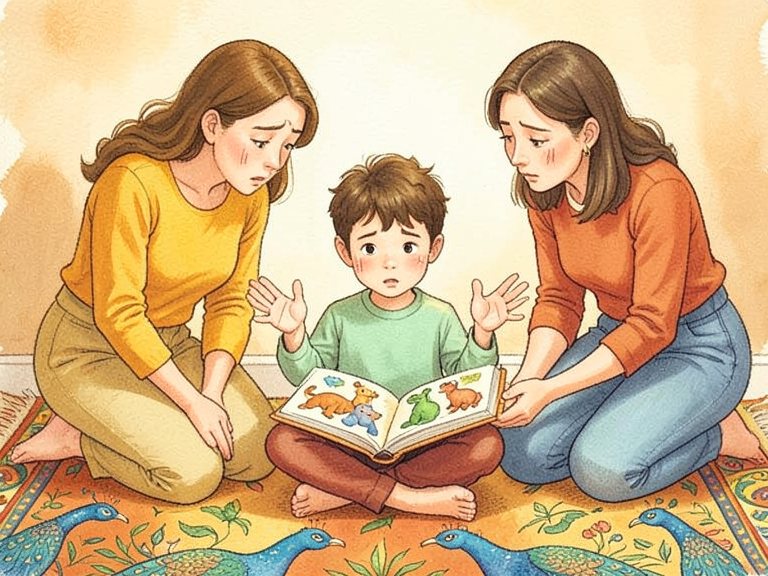
The questions never stop — when's the second, isn't it selfish, won't she be lonely.
One and Whole ·6 months ·2 – 12 years
If you have one child and keep being asked when the second is coming, this is for you. The worry underneath the question is real — but it points somewhere more useful than a sibling. A calm programme for parents of only children.
The evidence does not support the "spoilt only child" stereotype — how a single child turns out tracks parenting and social opportunity, not sibling count. The two things worth deliberately building are regular peer time and the chance to lose, negotiate and share outside the home, since those are the experiences a sibling would otherwise supply by accident.
Read this first
If the pressure has gone deeper than pressure. Relentless questioning about a second child can sit on top of grief, fertility loss, or a decision that wasn't fully yours to make — and those carry a weight no parenting programme is built for. If that is where you are, a counsellor or therapist is the right kind of help, and worth seeking. This programme is for the parenting of the child you have, not for the harder thing underneath.
How this changes as they grow.
Age 6
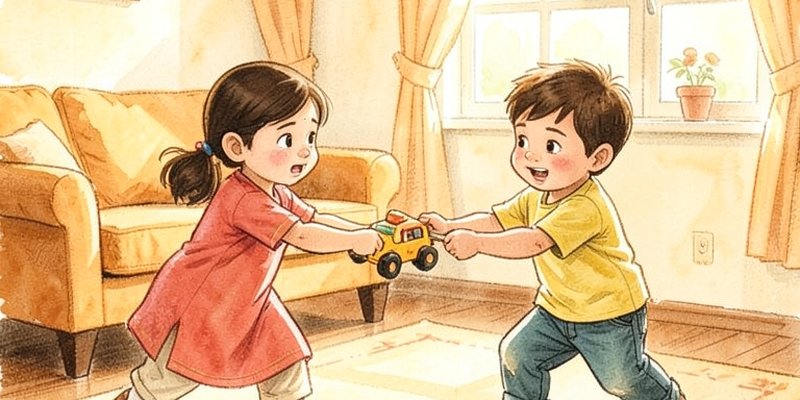
The questions never stop — when's the second, isn't it selfish, won't she be lonely.
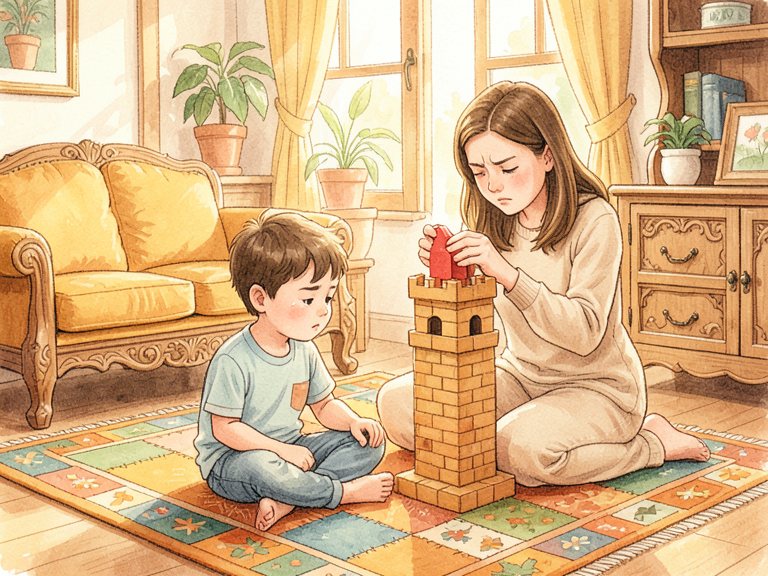
Age 9
There's no one to play with at home, and you've quietly become the playmate by default.
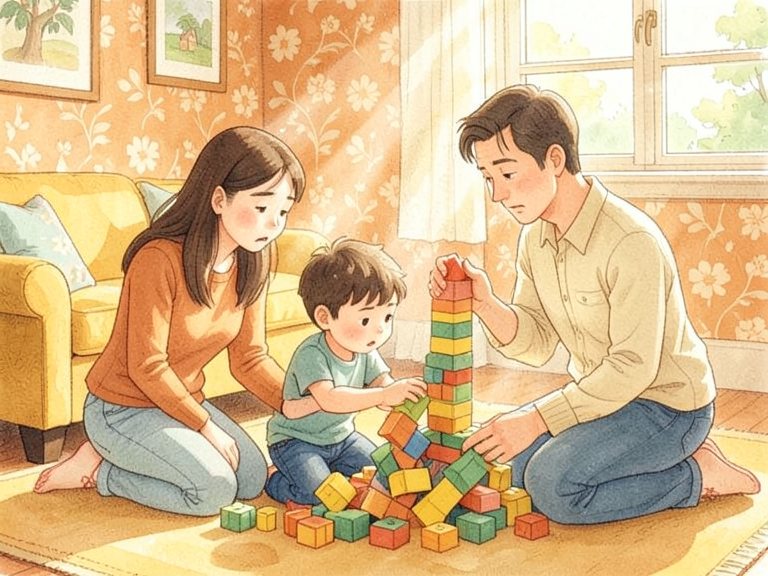
Age 12
All the adult attention in the house lands on one child, and you can feel it becoming a lot.
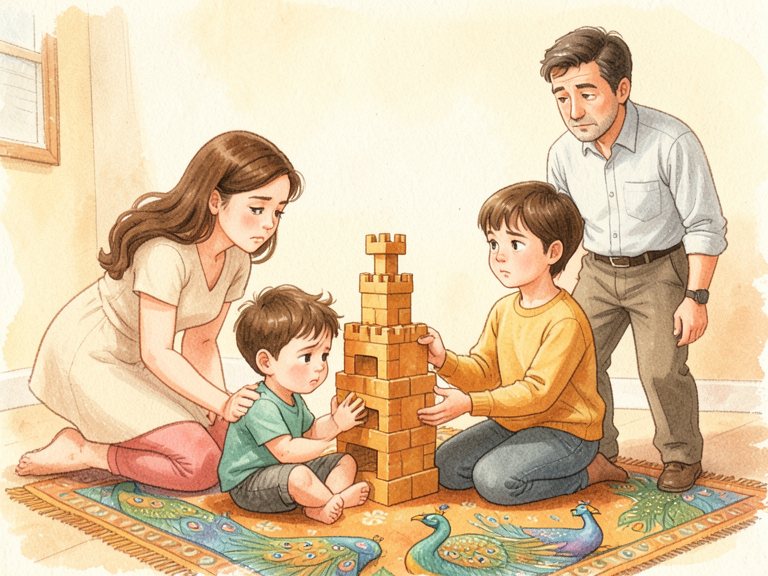
Age 14
You worry about sharing and turn-taking, because there's rarely anyone to practise them with.
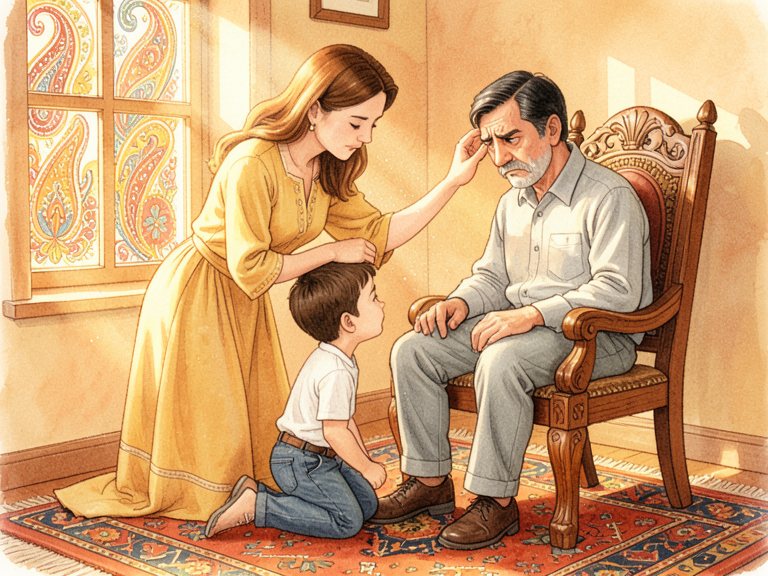
Age 16
You defend the decision constantly in public, and privately wonder whether the stereotype is true.
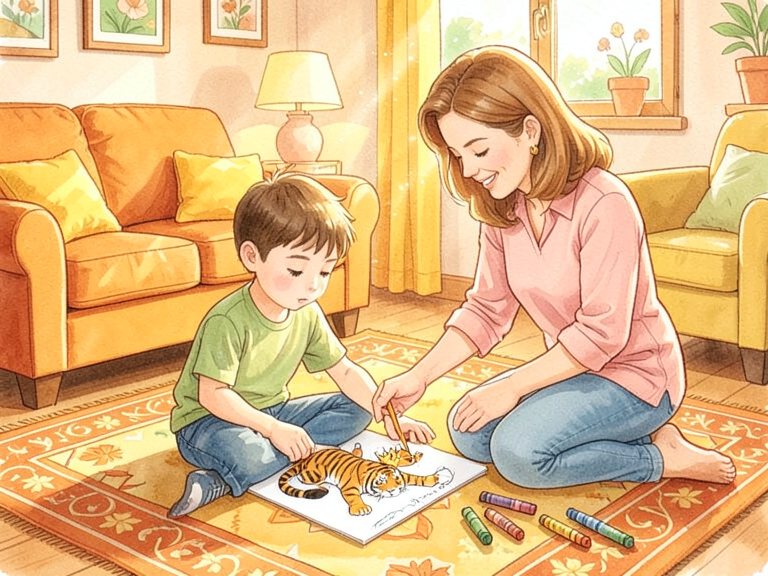
Now
The calendar is full of activities, and you're not sure whether that's enrichment or overcompensation.
Swipe through the day
There is an old story about only children — that they grow up selfish, socially awkward, unable to share, a little spoilt. It is repeated so often, and so confidently, that most parents of one child carry it around as a low background worry even when they don't believe it.
It is worth saying plainly: the story does not hold up. When you look at how only children actually turn out, the feared differences largely aren't there. As a group, they are not measurably more selfish, lonelier, or worse at getting along with others than children with siblings. How a child turns out tracks the parenting they receive and the social opportunity they're given — not the number of children in the house.
That matters because it moves the question to somewhere useful. If sibling count isn't the thing that shapes your child, then the anxious search for a sibling — or the guilt about not providing one — is aimed at the wrong target. The real work is elsewhere, and it's work you can actually do.
None of this means a single-child home is identical to a home with several children. There are genuine differences — they're just not the ones the stereotype names.
A child with siblings gets certain things almost automatically, by accident, thousands of times over. They lose an argument and have to live with it. They negotiate over a toy nobody's supervising. They share because there's no alternative. They discover that another child their size has an entirely different set of wants, and that the world doesn't reorganise itself around theirs. This is unglamorous, repetitive, low-stakes practice at conflict, negotiation and sharing — and it accumulates.
A single child can get all of the same practice. It just doesn't arrive automatically, so it has to be built on purpose. That is the single most useful shift in how to think about this: the things a sibling would have supplied by accident are things you now supply deliberately, mostly through regular time with peers.
The other genuine gap is quieter. In a single-child home, all the adult attention has exactly one place to go. That can be lovely, and it can also tip into a child who expects a constant audience, or a calendar so full of enrichment that there's never an empty hour. Boredom, oddly, is part of what's missing — the unstructured, slightly dull time in which a child learns to entertain themselves and to want something of their own.
If the fix is peer opportunity, the mistake is thinking an occasional playdate covers it.
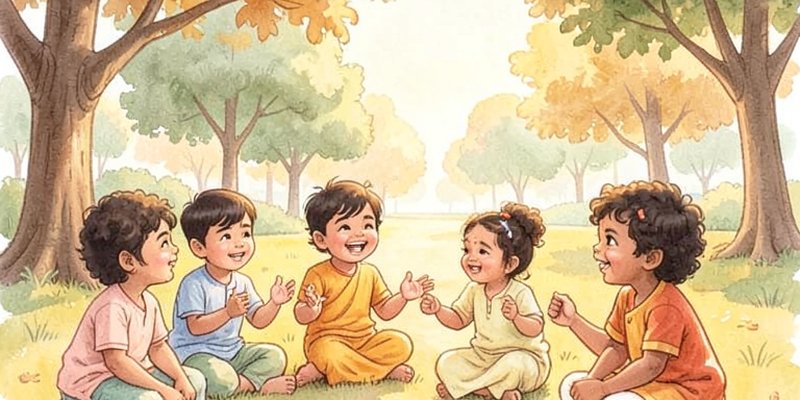
What builds negotiation and turn-taking is regularity — the same one or two children, often enough that a real relationship forms and real disagreements happen. A cousin every Sunday, a neighbour after school twice a week, a standing arrangement with one other family. The point isn't novelty or stimulation; it's repetition with equals, ideally with the adults hovering a little less than feels comfortable, so the children have to sort things out themselves.
This will not turn your child into a different person, and any programme that promised to transform a child socially would be lying. What deliberate peer structure does is give a single child the ordinary practice ground that a sibling would have been — no more, and no less.
Alongside building peer time, there's an equal and opposite move: leaving space. Resisting the urge to fill every hour, to be the constant playmate, to referee every small dispute. A single child benefits enormously from a parent who can watch a squabble without stepping in, and who can let an afternoon be boring.
In an Indian family, the decision to have one child is rarely left alone. The questions come from every direction and don't stop — when's the second, isn't one lonely, isn't it a little selfish, who will she have when you're gone. Behind them sits the old assumption that an only child is inevitably spoilt, stated as though it were settled fact.
Two things help here. The first is deciding, firmly, that you don't owe anyone your reasoning. A short, warm, closed answer — the same one, repeated without elaboration — ends most of these conversations far faster than a justification, which only opens a debate. We work on the exact phrasing, including in Hindi, because the wording genuinely changes how it lands.
The second is separating the outside pressure from your own honest questions. Sometimes the constant questioning gets inside, and the worry you're carrying at midnight isn't really the relative's — it's yours. That's worth looking at directly and without shame. Often, once you've built the peer structure and watched it work, the private worry quietly resolves on its own.
By the end, the aim isn't a different child — it's a different footing for you.
A clear, evidence-based read on which of the only-child worries were real and which were never true. A concrete peer plan that's actually running, not just intended. A response to the second-child question that closes it warmly instead of costing you something each time. And a way of noticing over-attention or over-scheduling before either becomes the water your child swims in.
Mostly, what changes is the running commentary in your own head — the low, constant defending. One child, raised with intention and given the right social ground, is a whole and unremarkable way to raise a family. This programme is about being able to feel that, and act on it, without the noise.
Not a one-off playdate. One regular, repeating slot with the same one or two children — a cousin, a neighbour, a school friend. Regularity is what turns playtime into the practice ground a sibling would have been.
This week, leave one empty afternoon genuinely empty. No screen, no scheduled activity, no you stepping in as entertainment. Boredom is where a child who is used to constant attention learns to generate their own.
Decide, once, what you'll say to the next person who asks about a second child — short, warm, and closed. Having it ready means the question stops costing you something each time.
That helps in the moment. Changing the pattern takes something else.
Six months on raising one child well — separating the myths from the two or three things that genuinely need attention, and building a peer structure that holds.
We separate what the evidence actually shows from the stereotype you keep hearing. Only children are not, as a group, more selfish, lonelier or worse at sharing — outcomes track parenting and opportunity, not sibling count. Then we name the genuine gaps a single-child home has to fill on purpose: conflict practice, negotiation, and unstructured time with equals.
The core of the work. How to build regular, structured peer time rather than occasional playdates — the arrangements, the frequency, and the kind of play that actually teaches turn-taking and losing gracefully. We also look at over-attention and over-scheduling, and how to leave room for a child to be bored, to negotiate, and to sort things out without an adult refereeing.
The relentless questions — when's the second, isn't one lonely, isn't it a bit selfish. We work on responses that hold their ground without turning every gathering into a debate, and on the private version of the worry: the quiet fear that the stereotype might be true. This is the India layer, addressed directly rather than waved away.
Turning the peer arrangements and the boredom-tolerance into habits that survive a busy term, and reviewing what has actually shifted. We consolidate your peer plan, your answer to the second-child question, and a clear read on which worries were real and which you can safely set down.
Small group — deliberately. Few enough that everyone is known, and no one is a spectator.
Message us to hear about dates, structure and fees for the next cohort.
Purnam is an AI-native parenting companion for modern Indian families. A structured programme, a smart companion that knows your family, and a small, honest community of parents — built to take you from surviving the day to thriving across the years.
Parenting that hasn't been handed down — for the generation that wants to parent differently than they were parented, but has no cultural template for it.
Purnam · our positioning
Purnam is built by a founding team with 18+ years across big tech, startups, and growth-stage technology companies — and, more to the point, by parents currently inside the early-childhood years themselves.
Parents to a toddler ourselves — building Purnam to help Indian families move from surviving to thriving.
Purnam's approach draws on modern developmental psychology — attachment, emotional regulation, behavioural coaching — held alongside Indian contemplative traditions as practical tools rather than belief.
We are advised by senior practitioners in human transformation and behavioural coaching. Where the evidence for something is strong, we say so. Where it is contested, we say that too.
Message us on WhatsApp about One and Whole — dates, structure, fees, and whether it fits your situation.
Or just ask your actual question. That's what the line is for. Someone from the Purnam team will get back to you.
Purnam offers parenting support and education. This is not paediatric, medical, or mental-health treatment, and it is not a substitute for care from a qualified professional. Every child and family is different; nothing here is a promise of any particular outcome.