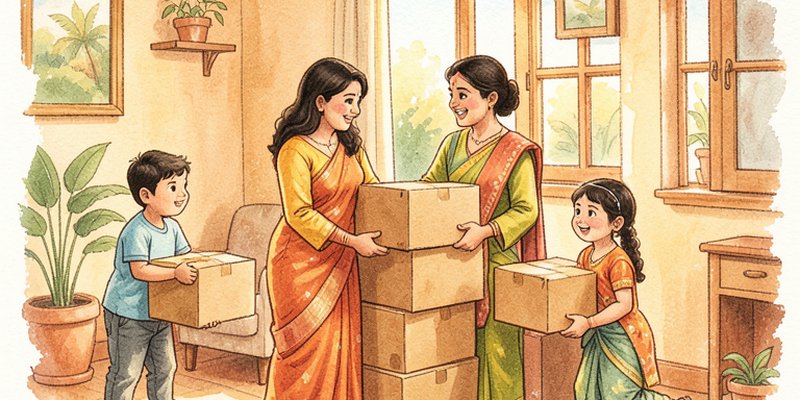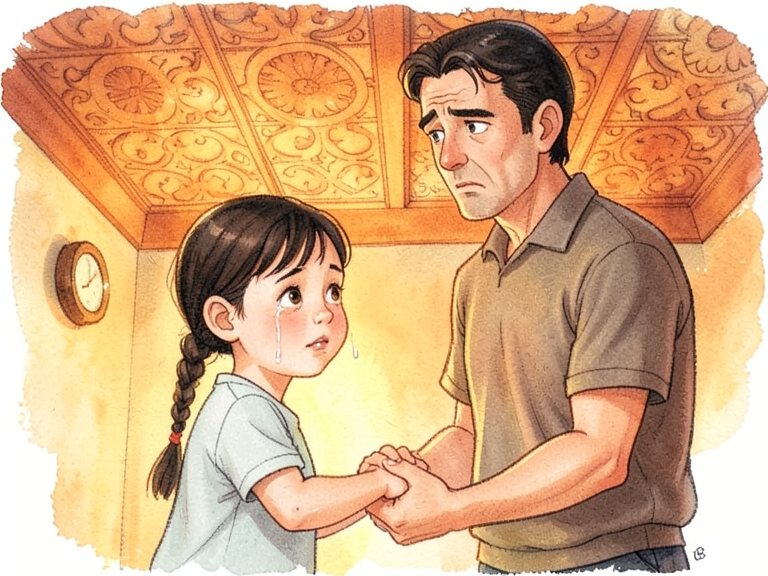
Monday
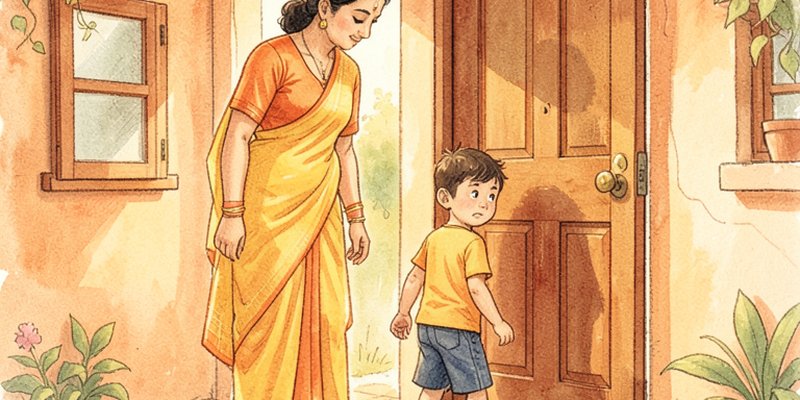
The screaming starts at the school gate, and every head turns to look.
The Hard Goodbye ·1 month ·18 months – 8 years
The screaming when you leave is wrenching to watch, and easy to read as damage. Most of the time it is the opposite — a child protesting the loss of someone who matters. This is a focused programme on leaving well: the goodbye that works, and the confidence to walk away.
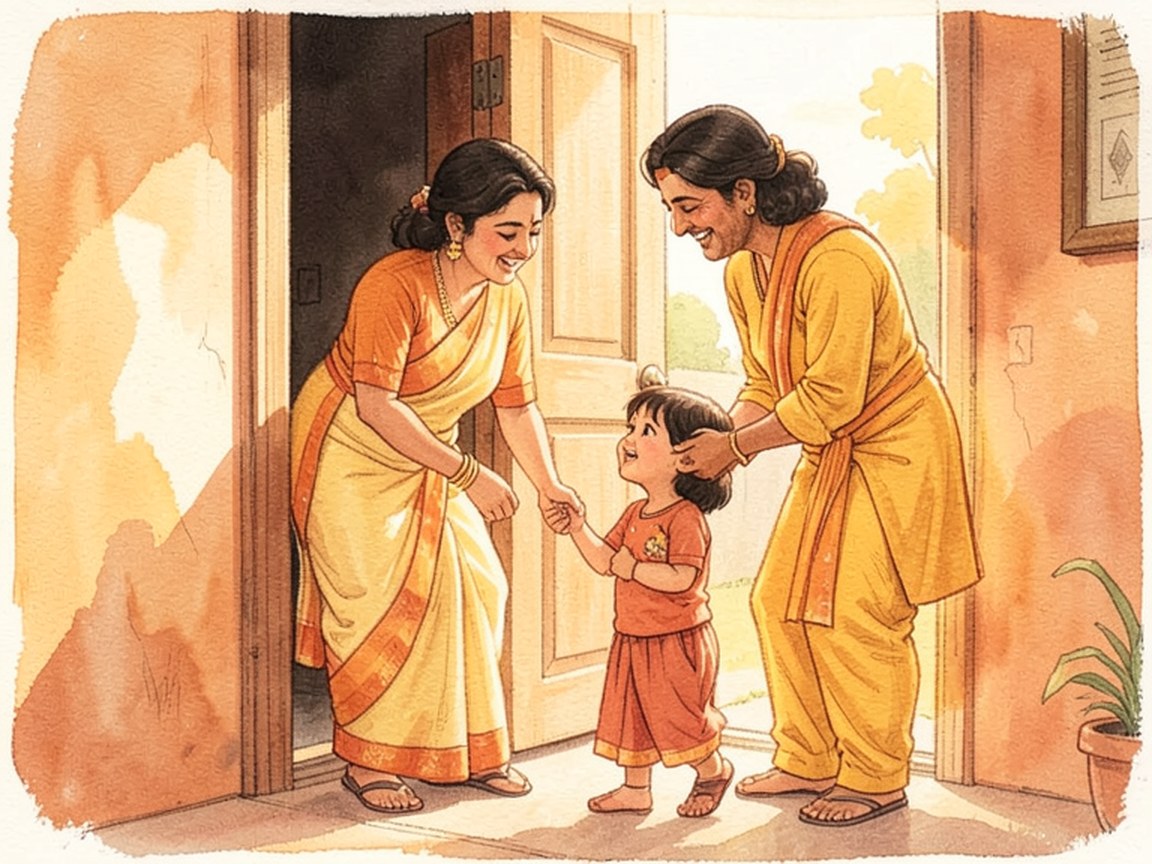
Distress at separation is usually a sign of secure attachment rather than a problem with it — the child is protesting the loss of someone who matters. It eases fastest with short, confident, predictable goodbyes, because a long, drawn-out goodbye signals to a child that the situation is worth worrying about.
Read this first
One thing that isn't a phase to work through. Most separation distress eases with a steady goodbye and time. But if the fear has narrowed your child's world significantly — they can't sleep alone, can't be in another room, can't function at school — or if it is still intense and unrelenting past around age eight, that is worth a proper assessment with a child psychologist rather than four weeks of ritual. It doesn't mean something is badly wrong. It means the right person to look is someone who can sit with your child directly.
One ordinary week in your house.
Monday
The screaming starts at the school gate, and every head turns to look.
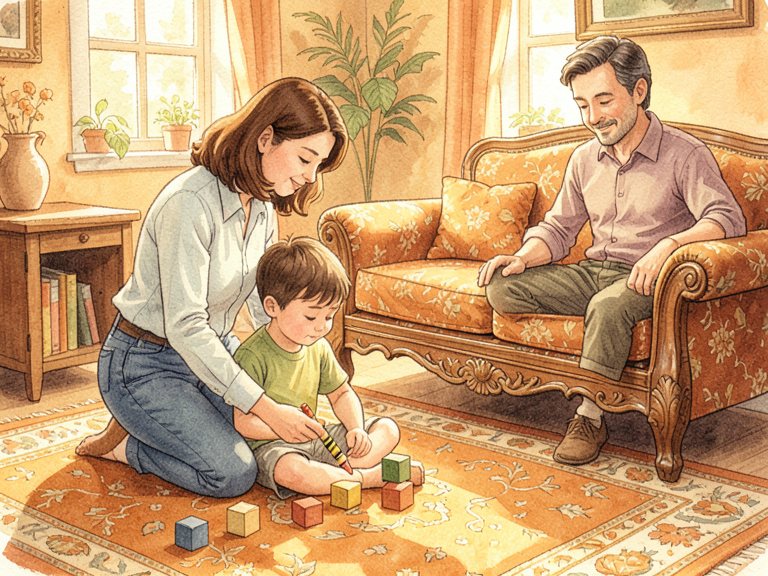
Tuesday
The teacher tells you they settle within two minutes — and you don't quite believe it.
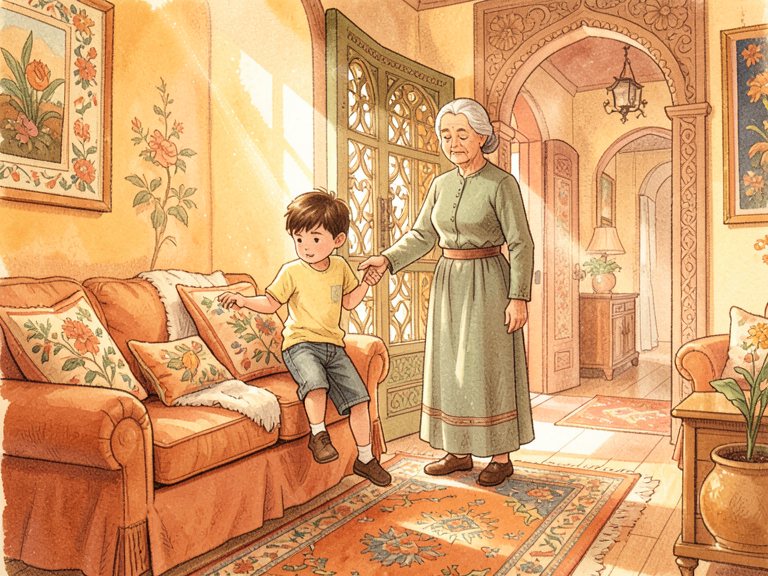
Wednesday
You've started sneaking out while they're distracted, because the scene is unbearable.
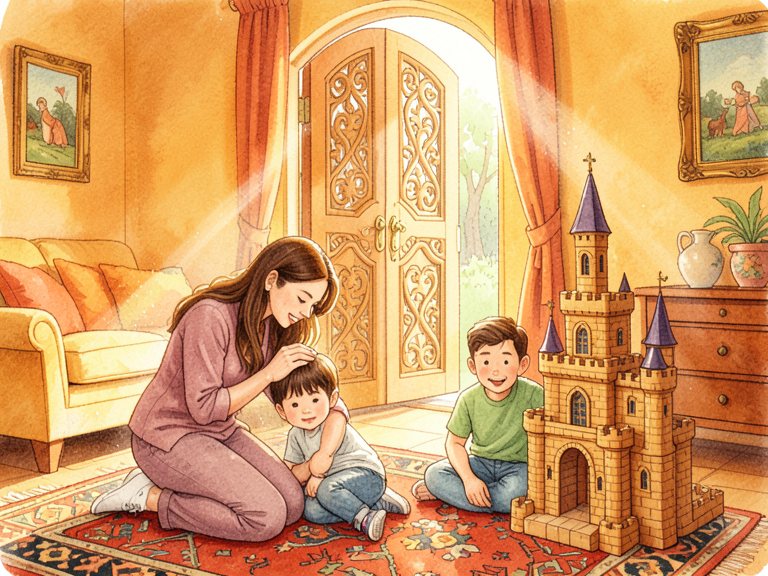
Thursday
A holiday or a bout of illness ends, and suddenly the clinginess is back worse than before.
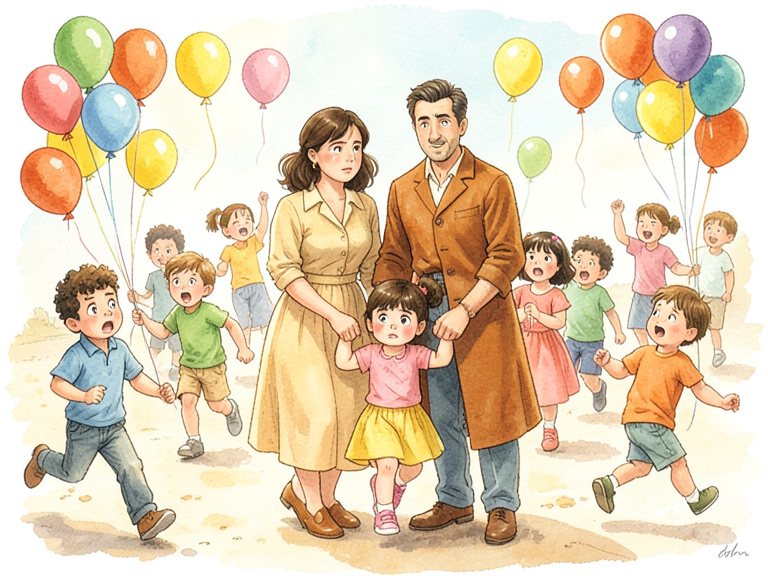
Friday
They cling to your leg at a birthday party while every other child runs off to play.
Saturday
You leave feeling like the cruellest parent in the world, and carry it through your whole morning.
Swipe through the day
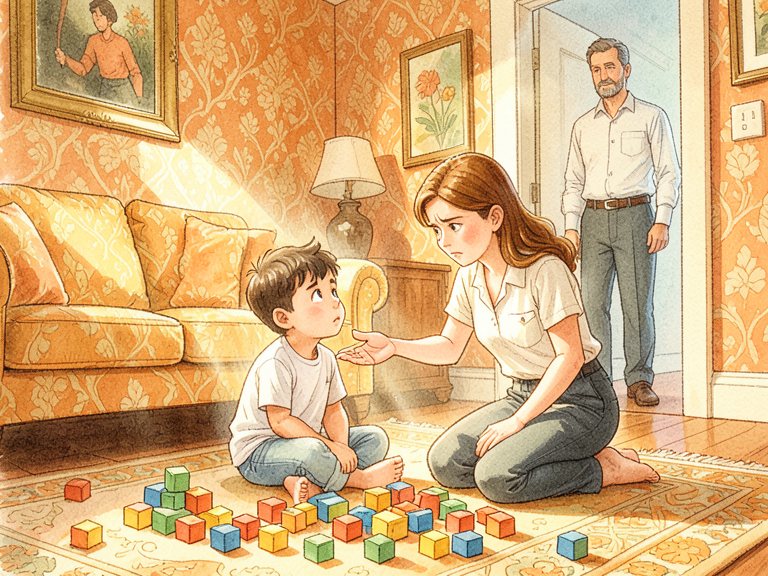
Few things undo a parent quite like a child screaming for you as you walk away. It looks like distress you are causing, and the instinct it triggers — stay, comfort, don't leave — is old and strong. So the first thing worth saying is the least intuitive: in most cases, the crying is not a sign that something is going wrong.
A child who protests when you leave is telling you, in the only language they have, that you matter. They have learned that you are a source of safety and comfort, and they would prefer to keep you close. That is the whole architecture of a secure attachment, working exactly as it should. The tears are the visible edge of a bond, not a crack in it.
This will not end the crying, and any programme that promised to make every goodbye painless would be lying. What it can do is change your reading of the tears — from evidence of harm into information about attachment — and that shift changes almost everything about how you handle the goodbye.
There are two natural responses to a distressed child at the gate, and both tend to make the next morning harder.
The first is to stretch the goodbye out — one more hug, one more reassurance, one more I'll be back so soon. It feels like kindness. But to a child reading you closely, a long and anxious goodbye carries a message underneath the words: this must be a big deal, or she wouldn't be lingering like this. Your hesitation becomes the thing they take their cue from. The longer you stay, the more the situation looks like one that warrants worry.
The second response is the opposite — slip away while they're distracted and skip the scene entirely. This feels efficient, and it costs you later. A child who has been left without a goodbye learns they can't afford to relax, because you might disappear at any moment. The clinginess that follows isn't stubbornness; it's a reasonable response to having learned that separations happen without warning.
The path between these two is a goodbye that is short, warm, honest, and the same every time. Predictable enough that your child knows exactly what is coming, and confident enough that they read no alarm in you.
The single most useful tool for hard drop-offs is a small, fixed ritual. Not a technique so much as a piece of choreography: the same words, the same gesture, in the same order, every single time.
It might be a particular phrase you always say, a specific kind of hug, a wave from the same spot at the door, a line you finish together. The content matters far less than the sameness. A young child cannot yet hold an abstract reassurance like I'll be back after your nap very firmly. What they can hold is a familiar sequence — and a familiar sequence that always ends with you leaving, and always precedes you coming back, becomes something to lean on precisely when they feel wobbly.
The ritual does something for you as well. It gives you a script for a moment that otherwise pulls you toward improvising, negotiating, and lingering. When you know exactly what you are going to do, you are far less likely to be talked into one more hug — and your steadiness is itself part of what settles your child.
Parents who have worked their way to easy drop-offs are often blindsided when it all comes back. A long holiday ends, a fever passes, a new baby arrives, the family moves house — and suddenly the child who was fine is clinging again, sometimes harder than before.
This is one of the most misread moments in early childhood. It looks like a failure, like lost ground, like the ritual stopped working. It is none of those. When the ground shifts under a small child, they lean back toward their safest person; separation distress is often the first thing to return, because it was never really about the gate. It was about you, and change makes them want more of you.
Knowing this in advance changes how you meet it. You don't need a new strategy or a sense that you're back to square one. The same ritual, held steady and unhurried through the wobble, usually carries them back through in far less time than the first climb took. The regression is part of the pattern, not a break in it.
Most separation distress is a phase — intense while it lasts, and genuinely temporary. But it is worth being honest about the edges, because a small number of children are dealing with something that a goodbye ritual is not built to reach.
The signal isn't how loud the crying is. It's how much the fear has taken over. If separation distress has narrowed your child's world in a real way — they can't sleep in their own room, can't tolerate you in another part of the house, can't manage school at all no matter how gentle the approach — or if it is still fierce and unrelenting well past the early years, that is the point to bring in a child psychologist who can sit with your child directly.
This isn't a grim outcome, and it isn't a verdict on your parenting. It's simply matching the right kind of help to what you're actually seeing. For the great majority of families, though, the work is quieter than that: a steady goodbye, a confident exit, and the patience to let a normal, loving phase run its course.
Pick a small ritual — a phrase, a particular hug, a wave from the same spot — and do it exactly the same way every time. What eases a child isn't the length of the goodbye; it's knowing precisely what is coming.
The hardest part, and the most useful. Say your goodbye, then go — without circling back for one more hug. A confident exit tells your child there is nothing here to fear. A hesitant one tells them the opposite.
Disappearing while they're distracted feels kinder in the moment and makes the next goodbye harder, because now they can't trust that you'll say when you're going. Let them see you leave, even when it's harder to watch.
That helps in the moment. Changing the pattern takes something else.
Four weeks on the goodbye that most parents dread — why the tears happen, the ritual that shortens them, and the regressions that arrive after every holiday and illness.
Before changing anything, we look at what the tears are and aren't. Protest at separation is a signal of attachment, not a sign it has been damaged. We map your child's specific pattern — which separations are hard, which are fine, and what the distress is really telling you.
The heart of the programme. We build a short, predictable goodbye that fits your child and your mornings, and we work on the harder half — leaving once, confidently, without the long negotiation. We also look at why both the drawn-out goodbye and the sneaked exit tend to backfire.
Separation distress rarely disappears in a straight line. It comes back after holidays, illnesses, a new sibling, a house move, a change of school. We work on why this happens, why it isn't a setback, and how to hold your ritual steady through the wobble.
Making the ritual a habit that survives a bad morning, and settling your own reaction so your child isn't reading worry off your face. We also talk plainly about where ordinary separation distress ends and something that needs a professional eye begins.
Small group — deliberately. Few enough that everyone is known, and no one is a spectator.
Message us to hear about dates, structure and fees for the next cohort.
Purnam is an AI-native parenting companion for modern Indian families. A structured programme, a smart companion that knows your family, and a small, honest community of parents — built to take you from surviving the day to thriving across the years.
Parenting that hasn't been handed down — for the generation that wants to parent differently than they were parented, but has no cultural template for it.
Purnam · our positioning
Purnam is built by a founding team with 18+ years across big tech, startups, and growth-stage technology companies — and, more to the point, by parents currently inside the early-childhood years themselves.
Parents to a toddler ourselves — building Purnam to help Indian families move from surviving to thriving.
Purnam's approach draws on modern developmental psychology — attachment, emotional regulation, behavioural coaching — held alongside Indian contemplative traditions as practical tools rather than belief.
We are advised by senior practitioners in human transformation and behavioural coaching. Where the evidence for something is strong, we say so. Where it is contested, we say that too.
Message us on WhatsApp about The Hard Goodbye — dates, structure, fees, and whether it fits your situation.
Or just ask your actual question. That's what the line is for. Someone from the Purnam team will get back to you.
Purnam offers parenting support and education. This is not paediatric, medical, or mental-health treatment, and it is not a substitute for care from a qualified professional. Every child and family is different; nothing here is a promise of any particular outcome.