16:45
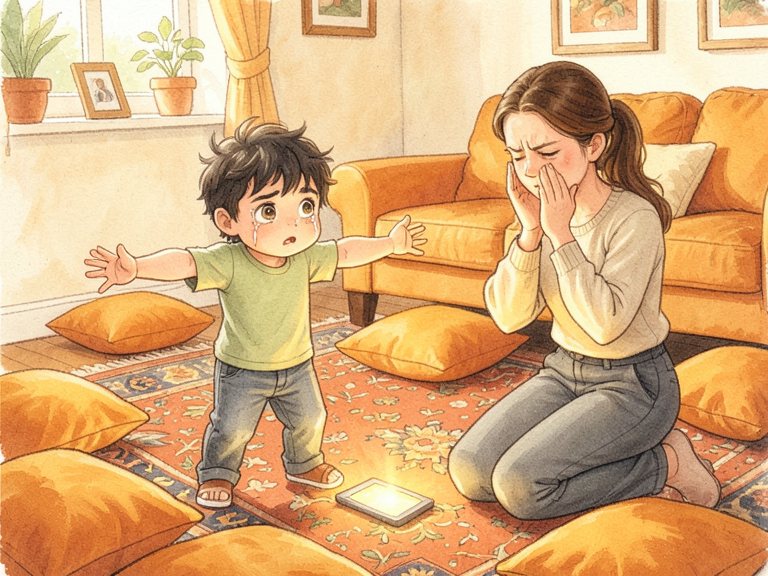
The device comes off and the rage that follows frightens you — it feels out of proportion to a game.
When the Game Won't Stop ·3 months ·8 – 16 years
Heavy gaming frightens parents because of the word addiction. But for most children it's a symptom, not a cause — and confiscation without understanding what the game is doing tends to make the fighting worse, not better.
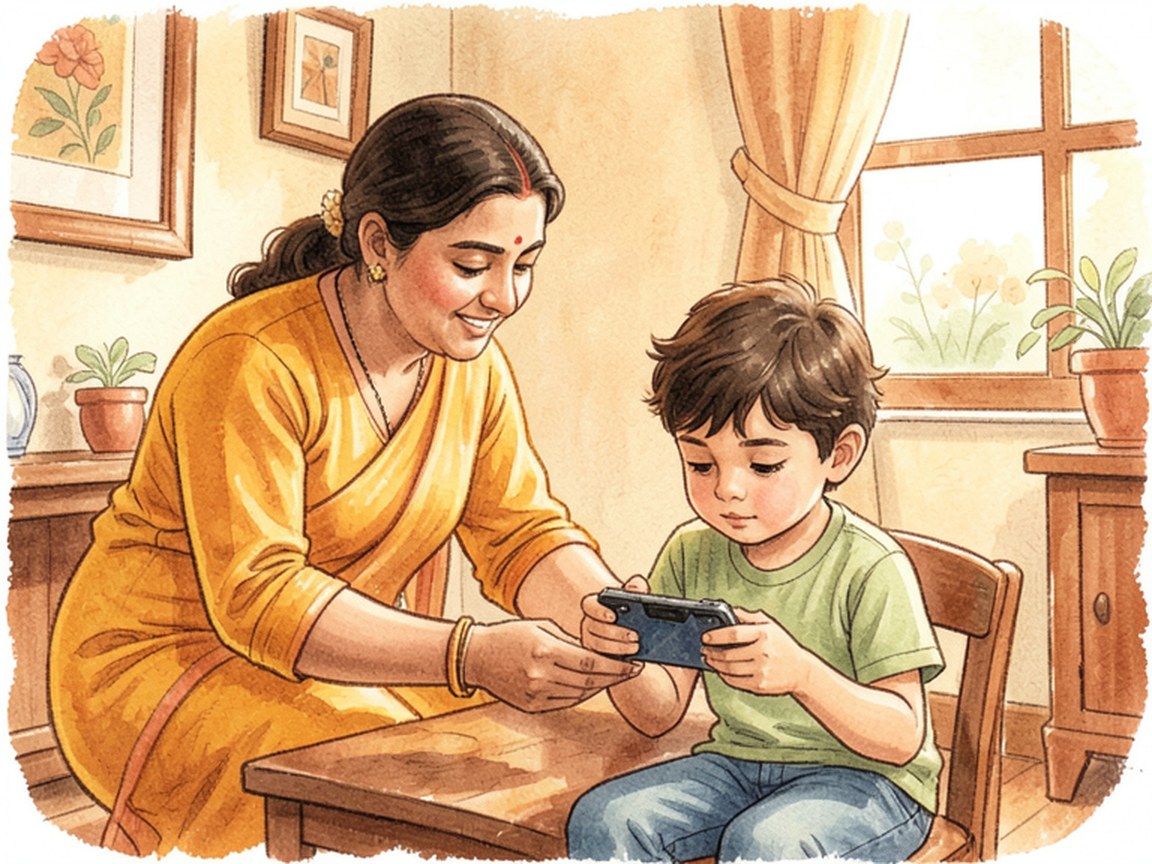
Heavy gaming is more often a symptom than a cause. It usually meets a need for competence, social connection, or escape that isn't being met elsewhere. Confiscating the device without addressing that need typically produces conflict rather than change — which is why the ban that was meant to end the problem so often escalates it instead.
Read this first
One thing this programme is not for. If the gaming comes with withdrawal from all other life, aggression that frightens you, or real-money gambling, that is past the point where negotiated structure is the right tool. Those signs warrant a professional assessment from a qualified psychologist or your paediatrician — not a twelve-week programme. If that's what you're seeing, please seek that assessment directly, and soon.
Six moments from a single ordinary day.
16:45
The device comes off and the rage that follows frightens you — it feels out of proportion to a game.
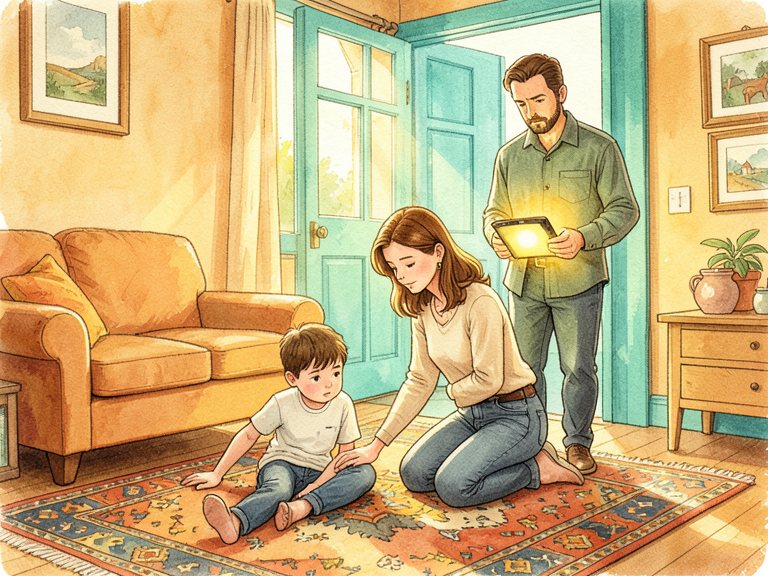
17:30
The marks are slipping, and every conversation about school turns into a conversation about the phone.
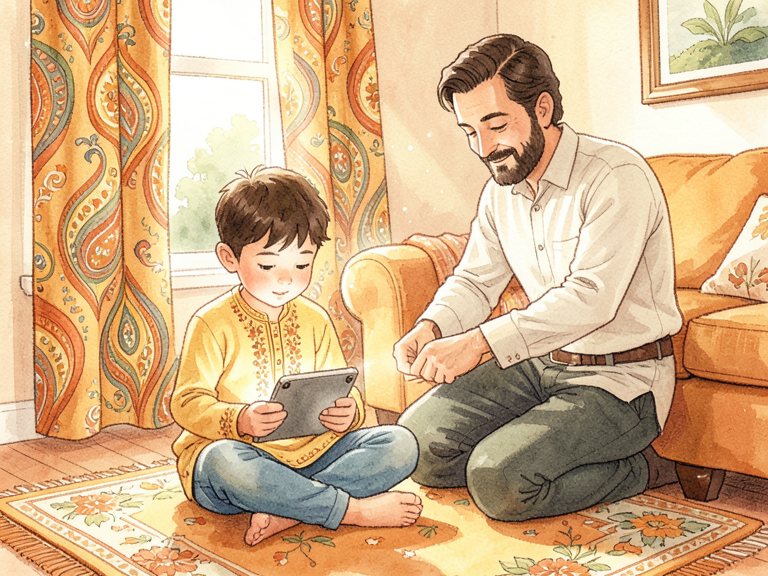
19:00
Gaming has quietly become your child's entire social life — the friends are all inside the screen.
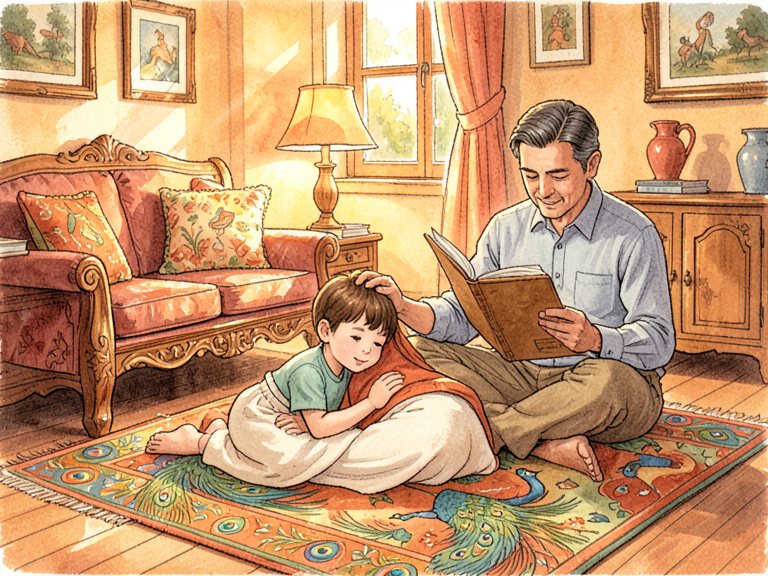
21:30
The play moves later and later into the night, and you're finding out how late only by accident.
22:15
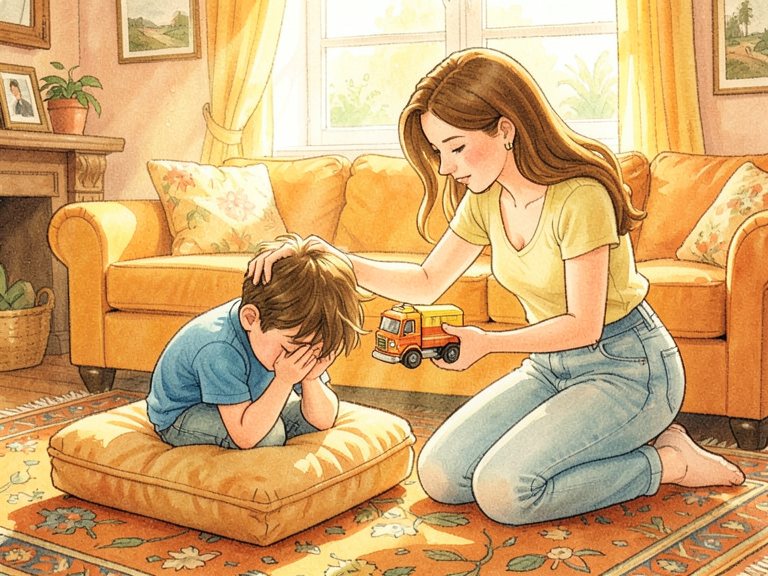
You confiscated the device once, and somehow that made everything worse rather than better.
Swipe through the day
Almost every parent who arrives at this problem has already tried the obvious thing. They took the device away.
And for a great many of them, that is the moment everything got worse. The rage that followed felt out of all proportion to a game. The child who had been merely distant became hostile. The gaming didn't stop; it went underground, onto a friend's phone, into the small hours of the night. What was meant to end the problem escalated it.
This is not because your child is unusually difficult. It is because confiscation, on its own, removes the thing without removing the reason for it. If a child is gaming because it is the one place they feel competent, or the only place their friends are, or the only reliable way they have found to switch off a hard day — then taking the device away doesn't address any of that. It just takes away their answer to it, and leaves the need sitting there, louder than before.
This programme will not end gaming, and any programme that promised to would be lying. What it can do is help you understand what the game is doing for your child, so that the structure you build actually holds — because it's working with the need rather than against it.
When you look closely, heavy gaming almost always turns out to be meeting one of three needs — often more than one at once.
The first is mastery. Games are exceptionally good at making a person feel competent. They give clear goals, immediate feedback, and a sense of getting better at something visible. For a child who feels ordinary at school, or who is criticised more than they are praised, this can be the one arena where they feel genuinely good at something. That is not a trivial thing to take away.
The second is friendship. For a large number of children today, the game is the social life. The friends are real; they are simply inside the screen. When you tell such a child to stop playing, you are, from their point of view, telling them to stop seeing their friends. It's worth understanding that before you decide the socialising doesn't count.
The third is escape. Some children game to get away from something — the pressure of school, a difficult atmosphere at home, anxiety they can't name. The gaming here is a form of self-medication, and it tends to be the hardest to shift, because the thing being escaped is still there when the device goes off.
Knowing which of these is driving your child's gaming is the single most useful thing you can do, because each one points to a completely different response.
Once you understand what the game is doing, the question becomes what to build in its place — and here the method matters enormously.
A limit that is imposed is a limit your child will spend their considerable ingenuity trying to get around. A limit that is negotiated — one they had a genuine say in, that they agreed to, that they helped shape — is one they have a stake in keeping. This is not about being permissive. The final structure might be quite firm. What changes is whose structure it is.
That means real conversation, not an announcement. It means agreeing timings, stopping points, and consequences together, and being willing to hold to them once they're set. It means the difference between "no phone after nine" delivered as an edict and the same rule arrived at because your child understands why sleep matters and helped decide where the line goes. The rule can be identical. Whether it survives contact with a real evening is not.
Some of this is harder in Indian households than the imported advice acknowledges. Gaming here is mobile-first, which means the device is also the child's connection to everything else — homework groups, friends, the world. You cannot simply lock a console in a cupboard. And there is the particular risk of real-money and gambling-style games, which are engineered to be hard to stop and which change the situation entirely when money enters it.
The part that actually reduces heavy gaming over time is the slowest and the least dramatic: helping the underlying need get met somewhere real.
If the game was giving your child a sense of mastery, the work is finding something offline they can genuinely become good at — and being patient while they are bad at it first. If it was giving them friendship, the work is helping real-world friendship become possible again, which for a child who has retreated into the screen can be genuinely difficult and takes time. If it was escape, the work is looking honestly at what is being escaped, which sometimes leads somewhere uncomfortable but necessary.
None of this is fast, and none of it competes with the game on the game's own terms — a game will always be more immediately rewarding than a slow-built skill or a tentative new friendship. But over months, as the need finds somewhere else to go, the grip of the game tends to loosen on its own, in a way no confiscation ever achieved.
Most heavy gaming is not a clinical disorder, and it is worth saying that plainly, because the fear that it might be is what drives so many parents to overreact.
But some of it is. When gaming comes with a genuine withdrawal from all other parts of life, with aggression that frightens you, or with real-money gambling, you are no longer in the territory where a negotiated structure is the right tool. Part of what this programme does is help you tell the difference honestly — so that if what you're seeing needs a qualified professional, you know it, and you don't spend months on an approach that was never going to be enough. Reading the situation clearly is itself one of the most useful things you can take from this.
Before deciding anything, sit with your child and ask them to show you the game — not to judge it, genuinely to understand it. Are they building something, leading a team, competing, or escaping a hard day? The answer changes everything that follows.
Pick a single, specific agreement — an hour, a time of day, a stopping point — and arrive at it together rather than announcing it. A structure your child helped set is one they'll defend. One imposed on them is one they'll route around.
For one week, note when the gaming spikes — after a bad day at school, when they're alone, when a friend is online. The pattern usually tells you what the game is actually for.
That helps in the moment. Changing the pattern takes something else.
Three months on the fight that has taken over your evenings — moving from confiscation and conflict toward understanding what the game gives your child, and building a structure they'll actually keep to.
Before changing anything, we build an honest picture of the role the game plays. Mastery, friendship, escape, or some mix — each points to a different response. Most parents discover the game is meeting a need they didn't know was going unmet, which reframes the whole problem away from the device itself.
Why removal alone escalates, and what works instead. We build a structure together with your child — limits, timings, stopping points — that they have a stake in keeping. The specific language of the negotiation, including how to hold a line without turning every evening into a battle.
The part that actually reduces the gaming: helping the need it serves get met somewhere real. Competence through something they can be good at, friendship offline, a way to decompress that isn't a screen. This is slow work, and it's the work that lasts.
Making the structure hold when school pressure and exam years collide with it. Handling real-money gaming risk directly. And — plainly — how to tell the difference between heavy use you can work with and the signs that mean it's time for a professional, so you know which one you're looking at.
Small group — deliberately. Few enough that everyone is known, and no one is a spectator.
Message us to hear about dates, structure and fees for the next cohort.
Purnam is an AI-native parenting companion for modern Indian families. A structured programme, a smart companion that knows your family, and a small, honest community of parents — built to take you from surviving the day to thriving across the years.
Parenting that hasn't been handed down — for the generation that wants to parent differently than they were parented, but has no cultural template for it.
Purnam · our positioning
Purnam is built by a founding team with 18+ years across big tech, startups, and growth-stage technology companies — and, more to the point, by parents currently inside the early-childhood years themselves.
Parents to a toddler ourselves — building Purnam to help Indian families move from surviving to thriving.
Purnam's approach draws on modern developmental psychology — attachment, emotional regulation, behavioural coaching — held alongside Indian contemplative traditions as practical tools rather than belief.
We are advised by senior practitioners in human transformation and behavioural coaching. Where the evidence for something is strong, we say so. Where it is contested, we say that too.
Message us on WhatsApp about When the Game Won't Stop — dates, structure, fees, and whether it fits your situation.
Or just ask your actual question. That's what the line is for. Someone from the Purnam team will get back to you.
Purnam offers parenting support and education. This is not paediatric, medical, or mental-health treatment, and it is not a substitute for care from a qualified professional. Every child and family is different; nothing here is a promise of any particular outcome.