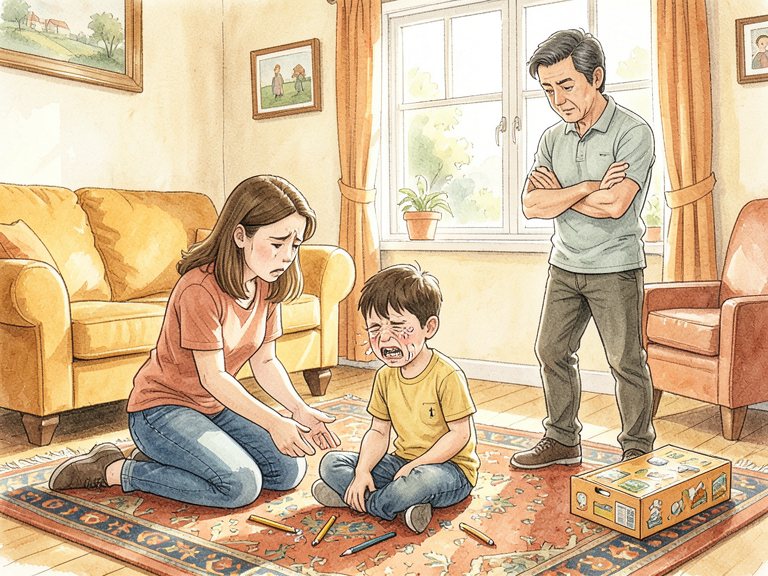
Minute 0
Something small goes wrong and the reaction is enormous — a snapped pencil, a lost game, a wrong-coloured cup.
Under the Anger ·3 months ·4 – 12 years
The throwing, the slamming, the 'I hate you' — most of it sits on top of something quieter underneath. This is a focused programme on reading what's under the anger, responding in the moment, and teaching regulation when everyone is calm.
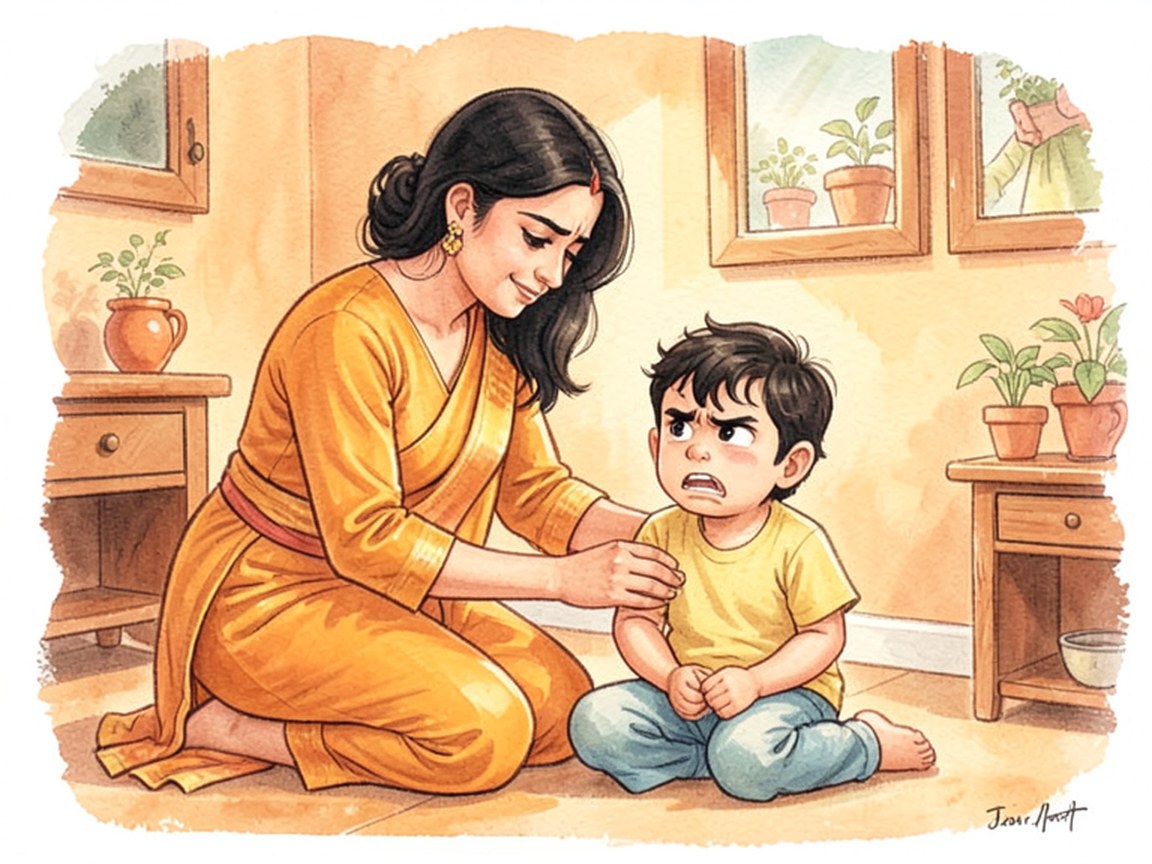
Anger is a surface emotion — it usually sits on top of something else, most often frustration, embarrassment, or fear. Children learn to manage it primarily by watching how the adults around them manage theirs, which is why the work is as much about your own responses as your child's. Regulation comes before reasoning, and both are taught in the calm, not mid-episode.
Read this first
One thing this programme is not for. If your child's anger comes with genuine destruction, with harm to themselves or others, or with a rage that simply doesn't pass, that is not something to work on gradually over three months. It deserves a proper look from a child psychologist or paediatrician who can see your child directly. Seeking that out is not an overreaction — it is the same instinct that made you read this far, followed one step further.
How one of these actually unfolds.
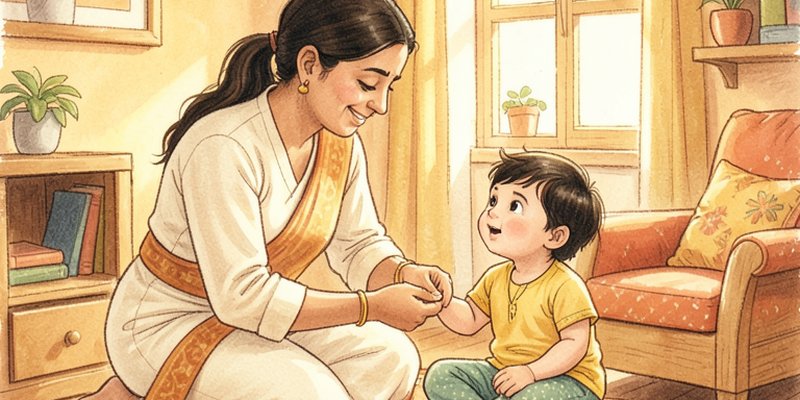
Minute 0
Something small goes wrong and the reaction is enormous — a snapped pencil, a lost game, a wrong-coloured cup.
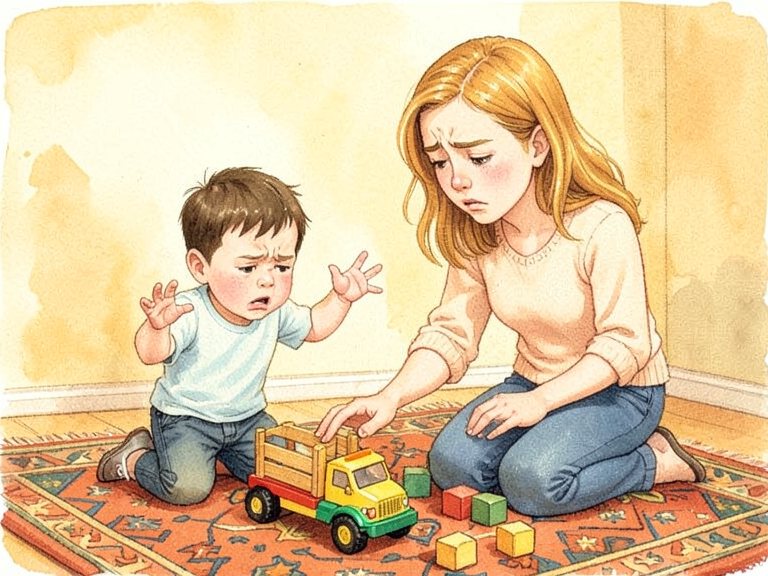
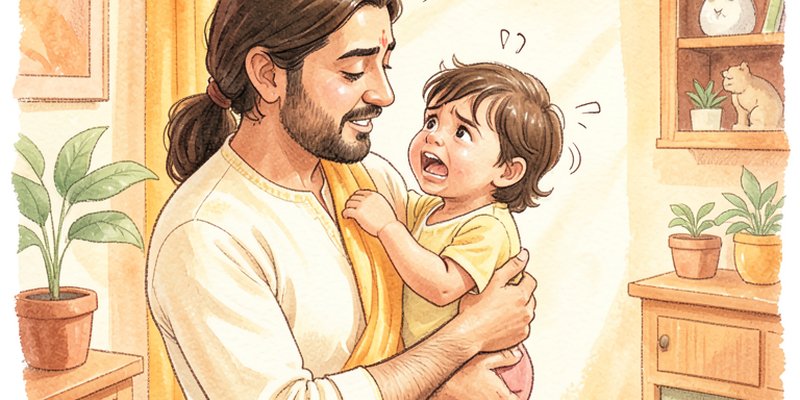
Minute 2
Things get thrown or slammed, and you don't know whether to hold firm or step back.
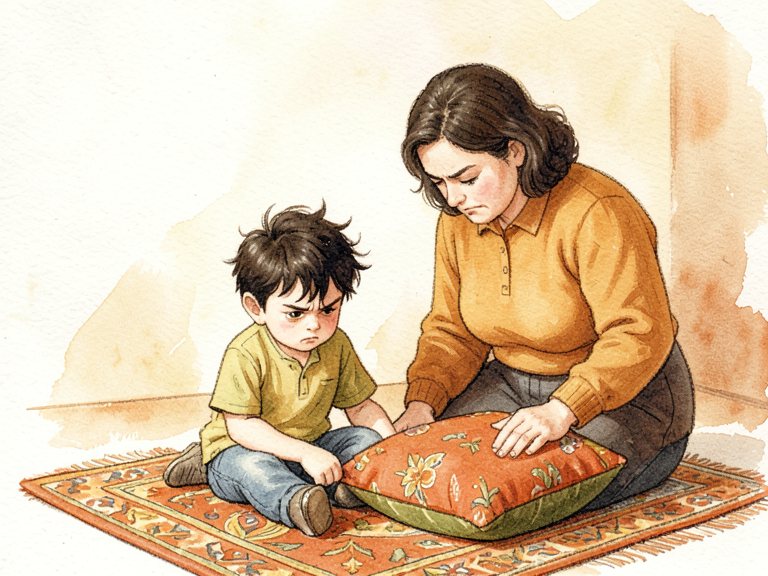
Minute 5
'I hate you' — said to your face, and it lands harder than you'd admit.
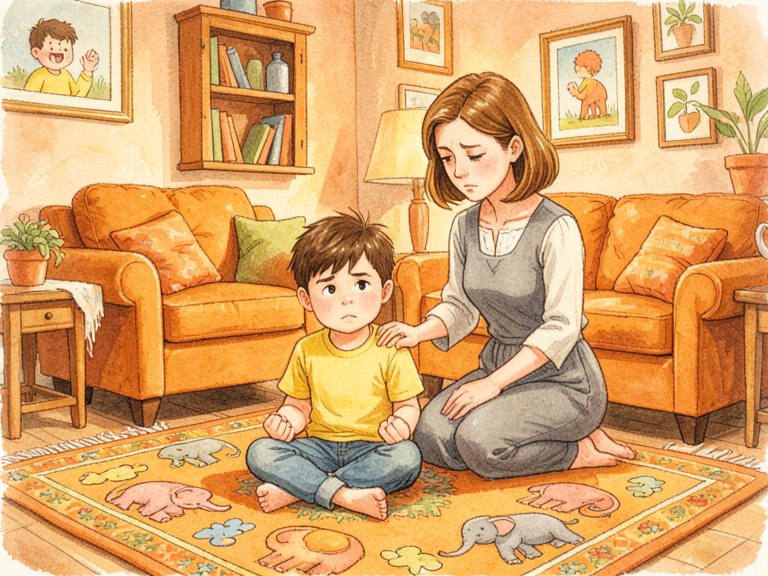
Minute 9
You watch yourself lose your temper and see the same thing in your child, and the recognition is uncomfortable.
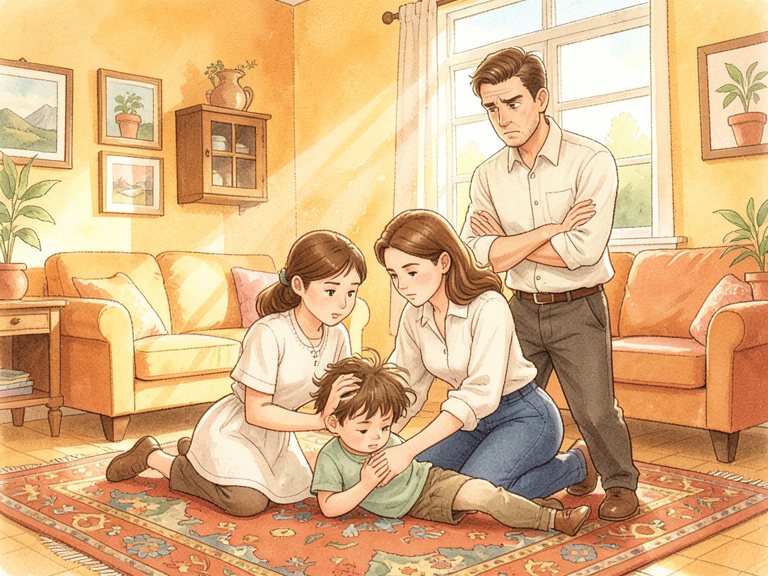
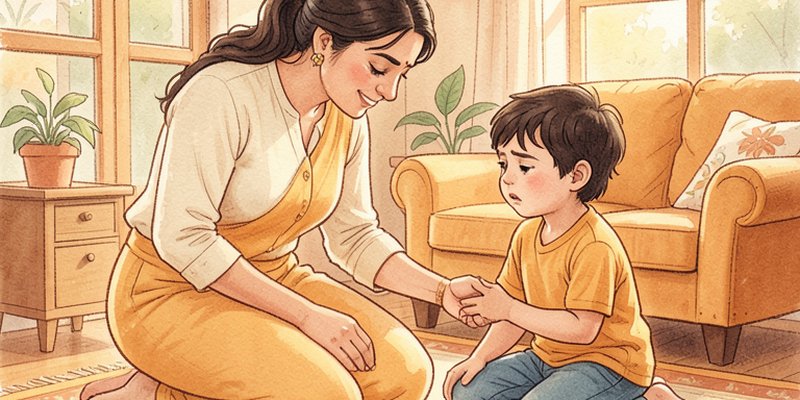
After
You've tried staying calm and you've tried matching their intensity, and neither seems to help.
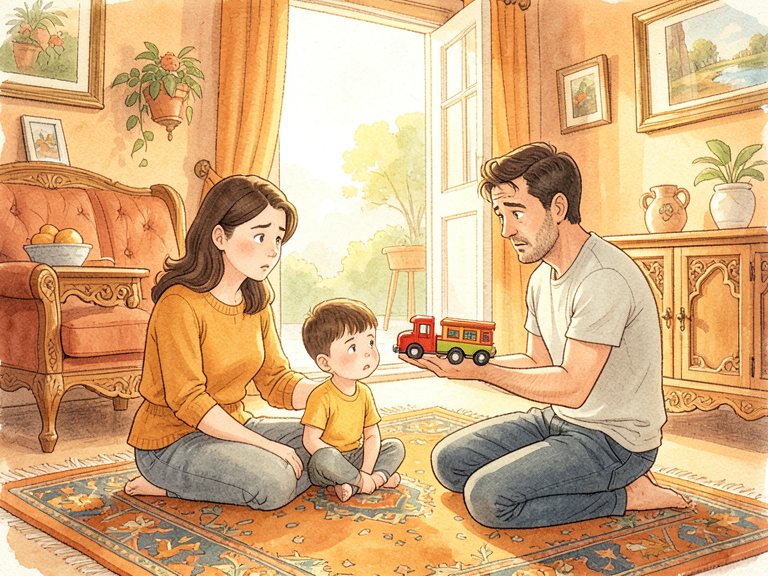
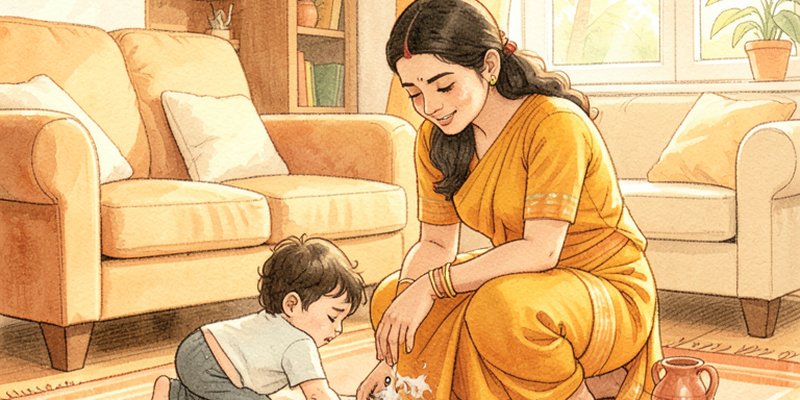
Later
Afterwards they're fine, and you're still shaking — and no one has said anything about what happened.
Swipe through the day
When a child erupts, the anger is the loudest thing in the room, and so it's the thing everyone responds to. But anger is rarely where the event begins. It is a surface emotion — a protective covering over something quieter and harder to show.
Underneath, most of the time, is one of a small handful of things. Frustration, when something won't work and the child has run out of patience for it. Embarrassment, when they've been caught out or made to feel small. Fear, of a change, a separation, a failure they can see coming. Anger is what these feel like on the outside, because anger is bigger and safer to display than the raw thing underneath it.
This is why responding to the anger itself so often goes nowhere. You can address the shouting, the throwing, the slammed door, and the actual event — the frustration, the shame, the fear — sails past untouched. The child is left having been told off for the covering while the thing being covered is still there.
Learning to read what's underneath doesn't mean excusing the behaviour. It means aiming your response at the part that's actually driving it.
There is a moment, when a child is truly angry, where nothing you say will land. Parents discover this the hard way — explaining, reasoning, negotiating, and watching every word bounce off.
That's not defiance. It's physiology. A child in the grip of a strong emotion is, for those minutes, not able to access the part of them that reasons. The body is running the show — the racing heart, the flushed face, the flailing. Regulation has to come before reasoning, and no amount of good logic will arrive ahead of a settled body.
Which reorders everything. In the moment, the job is not to teach, not to explain, not to extract an apology. The job is to help the storm pass without making it worse — to stay present, hold whatever boundary genuinely matters for safety, and otherwise let the wave crest and fall. The teaching comes later, and it comes to a different child: the calm one, an hour on, who can actually hear you.
To be honest about scope: this will not end the outbursts, and any programme that promised to would be lying. Children get angry; that's not a defect to be engineered out. What changes is what the anger is met with, and what your child slowly learns to do with it.
Here is the part that is uncomfortable, and unavoidable.
A child learns to handle anger mostly by watching the adults around them handle theirs. Not from being told how — from seeing it, day after day, in the ordinary frictions of a household. When you're cut off in traffic, when the internet drops, when they've pushed you to the edge for the fourth time before breakfast. Those moments are the real curriculum, whether or not you meant them to be.
This is not said to induce guilt. It's said because it's the most direct lever a parent has. If modelling is the main mechanism, then your own regulation isn't a side project — it's a large part of the actual work. And the good news buried in that is that you don't have to be calm to teach well. A parent who gets angry, notices it, says so, takes a breath, and repairs afterwards is teaching a richer lesson than a parent who simply never shows anger at all. Children need to see the recovery, not just the composure.
In many Indian homes, this runs into something specific. Adult anger — a raised voice, a sharp hand, a temper that everyone quietly organises around — is often so normalised that it isn't seen as anger at all, just as how things are. It travels down through generations without anyone naming it. Part of this work is naming it, gently, and deciding what you want to carry forward and what you'd rather set down.
If the moment itself is for surviving the storm, then the learning happens afterwards, in the quiet.
This is the conversation that's easy to skip. The episode ends, the child is fine, everyone is relieved, and no one wants to reopen it. But the calm-moment conversation is where a child gathers the tools they'll reach for next time — and it only works because it's happening to a regulated child who can actually think.
It doesn't need to be long or heavy. It's a gentle revisit: what happened, what were you feeling underneath, what made it so big, what might we try when it happens again. You're doing several things at once here. You're naming the feeling under the anger, which builds the vocabulary a child needs to eventually name it themselves. You're separating the feeling (allowed, always) from the behaviour (some of it not). And you're rehearsing, in a low-stakes moment, the thing you hope they'll do in a high-stakes one.
None of this lands in a single conversation. It's the accumulation — dozens of small calm revisits — that slowly gives a child their own handle on something that, for now, still overwhelms them.
Parents who work through this describe a similar shift, and it's rarely the one they came in wanting.
The outbursts don't vanish. What changes is that they stop being baffling. You start to see the frustration or fear arriving before the anger does, sometimes early enough to head it off, and always early enough to aim your response at the right thing. The moment itself gets shorter, because it's no longer being fed by a reasoning conversation nobody can have. And the afterwards changes most of all — from a tense silence everyone wants to escape into a quiet exchange that actually teaches something.
The part that surprises people is how much of the change is in them. A steadier temper of your own, a way back after you've lost it, and the relief of no longer treating your child's anger as a verdict on your parenting. That's the ground the rest of it grows from.
Instead of 'stop shouting', try naming the thing below it — 'that was really frustrating' or 'you didn't want to lose'. You will often be wrong, and it still helps, because it tells your child the feeling is the thing being noticed, not the volume.
The next time you feel your own temper rising, say it — 'I'm getting angry, I'm going to take a breath.' Children learn regulation mostly by watching it happen. Narrating your own is the most direct teaching there is.
Not in the moment, when no one can hear anything. Later, gently, when the storm has passed: what happened, what it felt like, what we might try next time. The calm conversation is where the learning actually lives.
That helps in the moment. Changing the pattern takes something else.
Three months on the emotion parents find hardest to sit with — what's underneath it, how to meet it in the moment, and how to teach a child to handle it when the storm has passed.
Before changing how you respond, we build a picture of what your child's anger is actually made of — the frustration, embarrassment, fear or overwhelm it tends to sit on. We look at the specific flashpoints in your home and what usually precedes them, because anger is far more readable once you stop treating it as the whole event.
What to do while it is happening, when reasoning is off the table and the body is running the show. Regulation comes before words. We work on staying present without escalating, holding a boundary without a lecture, and the difference between a response that settles a child and one that pours fuel on it.
The real teaching happens after, never during. We build the calm-moment conversation — how to talk about what happened, name the feeling underneath, and rehearse what to try next time. This is where a child slowly gathers their own tools, at a pace that suits their age.
The part most programmes avoid: your own temper, and the household it lives in. Anger is transmitted, often across generations, and pretending otherwise makes the advice useless. We work on your visible regulation, on repair after you've lost it, and on knowing the difference between an intensity you can work with and one that needs a professional eye.
Small group — deliberately. Few enough that everyone is known, and no one is a spectator.
Message us to hear about dates, structure and fees for the next cohort.
Purnam is an AI-native parenting companion for modern Indian families. A structured programme, a smart companion that knows your family, and a small, honest community of parents — built to take you from surviving the day to thriving across the years.
Parenting that hasn't been handed down — for the generation that wants to parent differently than they were parented, but has no cultural template for it.
Purnam · our positioning
Purnam is built by a founding team with 18+ years across big tech, startups, and growth-stage technology companies — and, more to the point, by parents currently inside the early-childhood years themselves.
Parents to a toddler ourselves — building Purnam to help Indian families move from surviving to thriving.
Purnam's approach draws on modern developmental psychology — attachment, emotional regulation, behavioural coaching — held alongside Indian contemplative traditions as practical tools rather than belief.
We are advised by senior practitioners in human transformation and behavioural coaching. Where the evidence for something is strong, we say so. Where it is contested, we say that too.
Message us on WhatsApp about Under the Anger — dates, structure, fees, and whether it fits your situation.
Or just ask your actual question. That's what the line is for. Someone from the Purnam team will get back to you.
Purnam offers parenting support and education. This is not paediatric, medical, or mental-health treatment, and it is not a substitute for care from a qualified professional. Every child and family is different; nothing here is a promise of any particular outcome.