Age 6
A capable child who simply won't put themselves forward, and you can't tell whether it's fear or temperament.
Quietly Leading ·12 months ·6 – 16 years
You want your child to be able to lead — and you're not sure that means what most programmes say it means. This is a programme for parents who want the real thing: judgment, follow-through, and the ability to be wrong well. Not a louder child.
Leadership in children is built mostly through responsibility rather than instruction — a child who is genuinely accountable for something learns judgment, follow-through, and how their decisions land on others. It also isn't the same as extroversion. Quiet children lead differently, not less, and the systems around them often miss it.
Read this first
When it isn't reluctance. There is a difference between a child who is quiet by temperament and a child whose holding-back comes from real anxiety — one who is distressed in groups, avoids them, or seems to be shrinking rather than choosing. If that's closer to what you're seeing, this is not a leadership question and a leadership programme is the wrong tool. A qualified child psychologist is the right first conversation. We'll happily say so if it comes up.
How this changes as they grow.
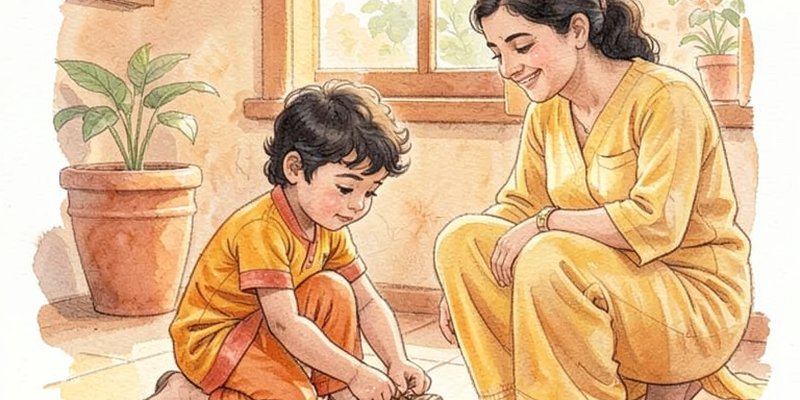
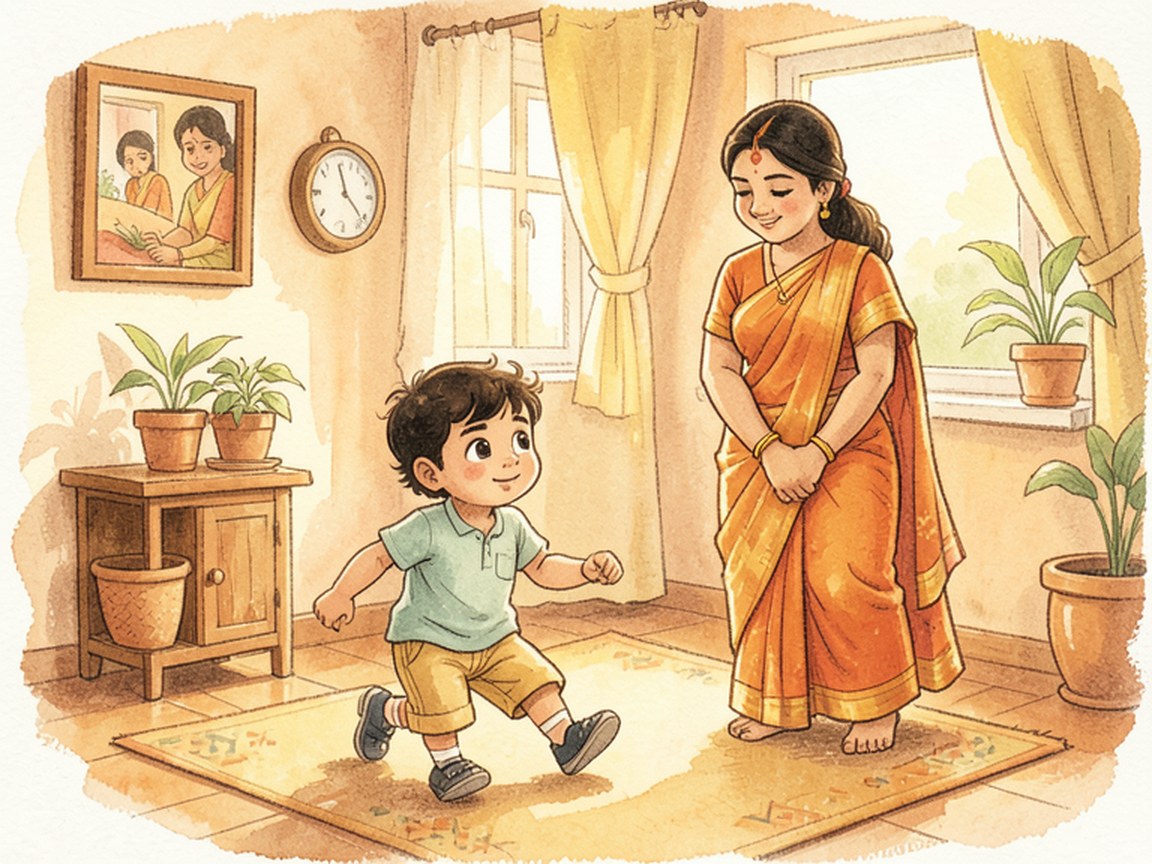
Age 6
A capable child who simply won't put themselves forward, and you can't tell whether it's fear or temperament.
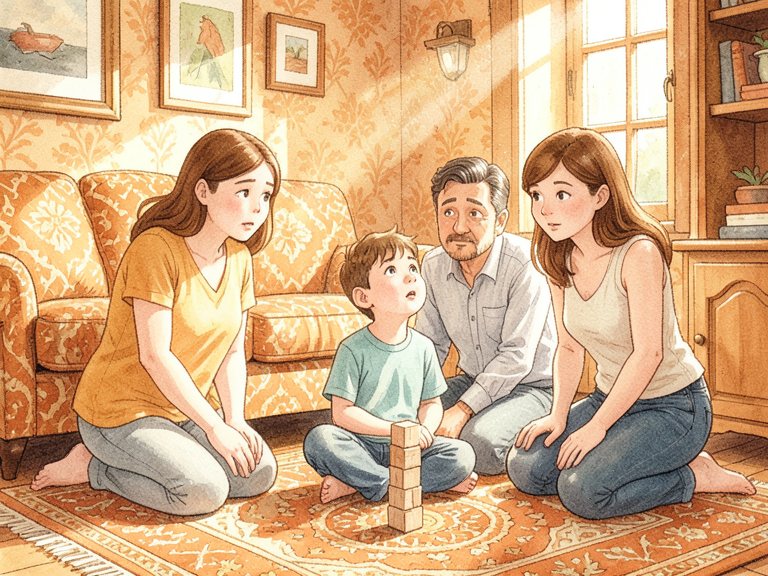
Age 9
You want them to lead, and you genuinely don't know what you're supposed to do to help.
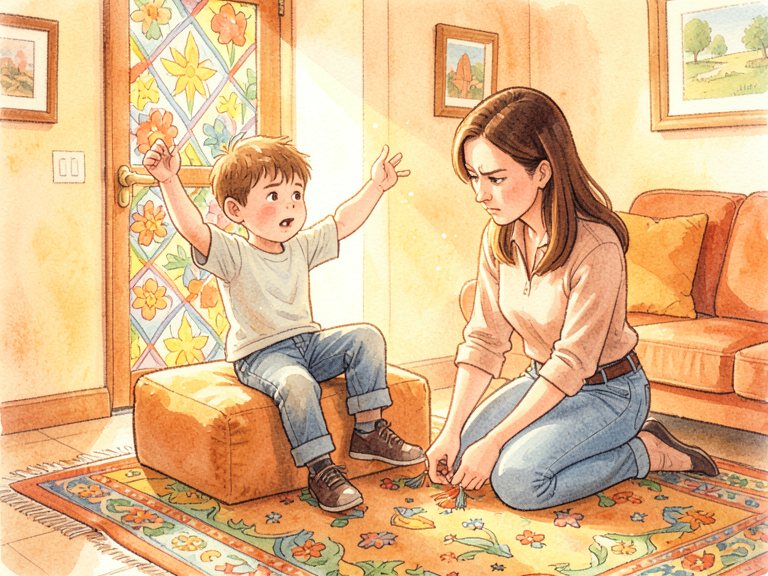
Age 12
You catch yourself equating the loud, confident child in the room with the one who'll actually go far.
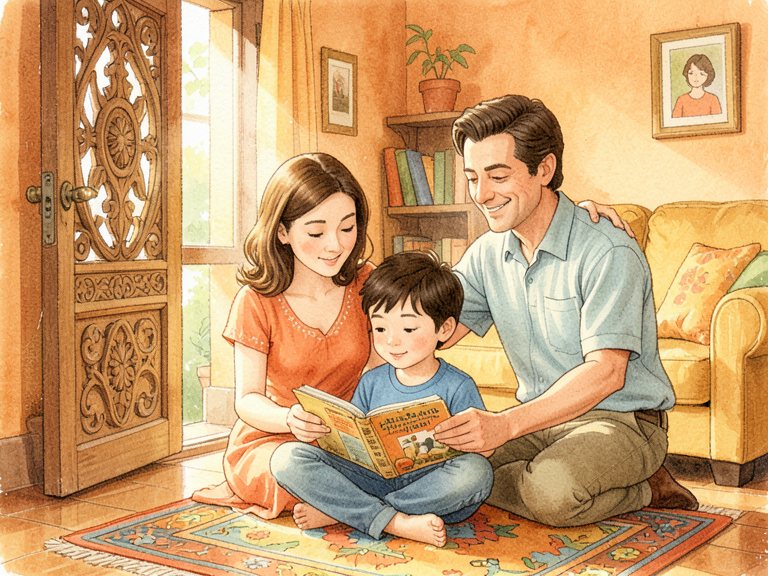
Age 14
A thoughtful, quiet child in a school system that seems to reward only the visible ones.
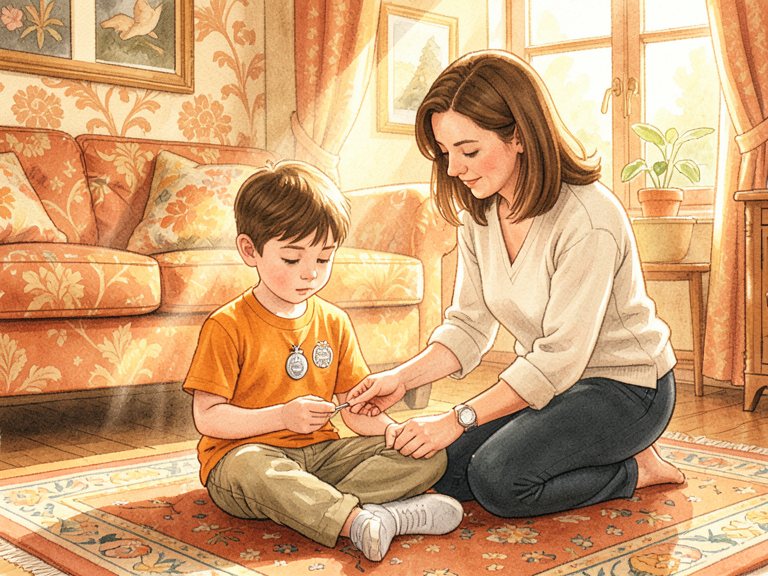
Age 16
You've paid for a camp, a badge, a certificate — and nothing about your child seems different.
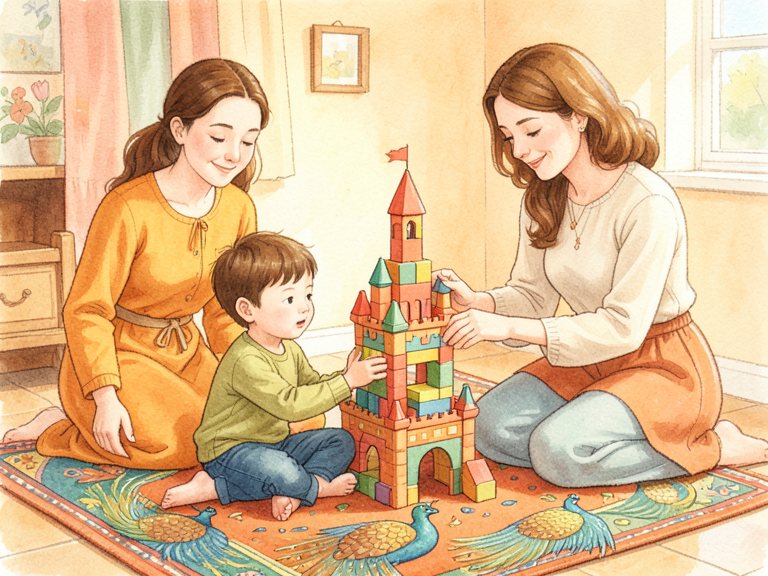
Now
You hand them something to be responsible for, then take it back the moment it starts to go wrong.
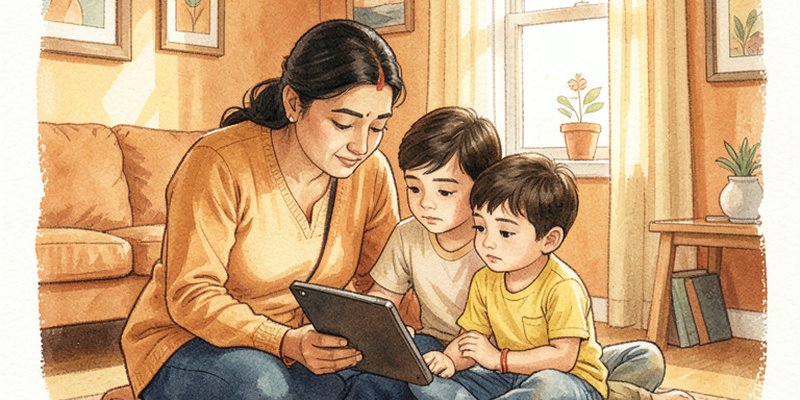
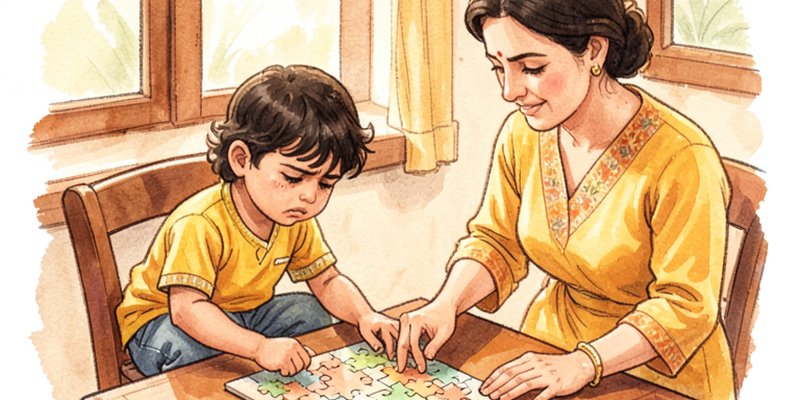
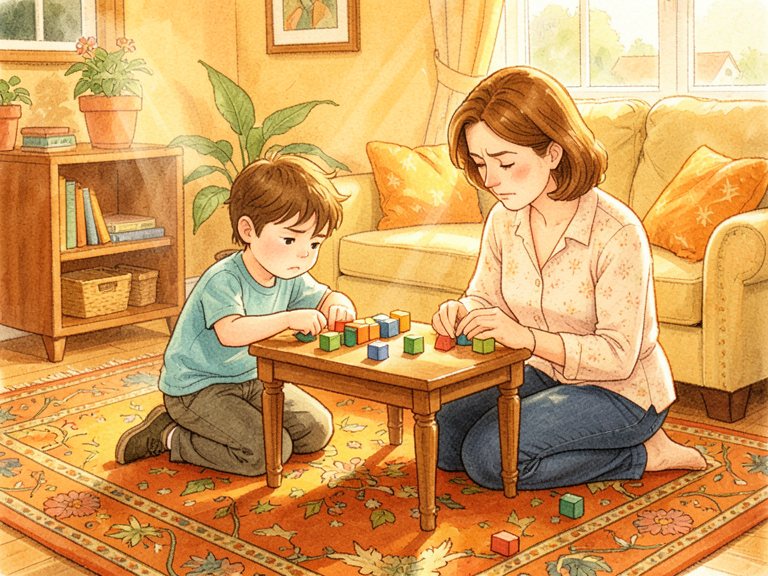
Swipe through the day
Ask most parents what they mean when they say they want their child to be a leader, and the answer, if they're honest, is a picture: the child at the front of the room, the one who speaks up, the one others follow. Confident. Visible. Comfortable being watched.
It's worth noticing that this is a description of a personality, not a capability. It describes how a child appears, not what a child can do. And the two come apart far more often than we admit. Every workplace contains people who present beautifully and cannot be relied on to carry anything through, and quiet people whose judgment everyone quietly defers to. If that gap exists in grown adults, it certainly exists in children — which means a great deal of what we do in the name of "building leadership" is aimed at the wrong thing.
This programme starts by naming what the real thing is, because you cannot raise a child toward a target you've defined as a performance.
If leadership isn't a personality, what is it, and how is it built?
The honest answer is that it is grown, not taught — and the soil it grows in is responsibility. A child who is genuinely accountable for something real learns, in a way no lesson can deliver, the whole cluster of things we're actually pointing at when we say the word: judgment, because they have to decide; follow-through, because the outcome lands on them; and a first-hand sense of how their choices affect other people, because they can see it.
Instruction cannot produce this. You can tell a child a hundred times to think ahead, to consider others, to finish what they start — and it stays abstract, because there's no weight behind it. Hand the same child something that genuinely matters, where a poor decision has a real and visible cost, and the lesson arrives on its own, uninvited, and stays.
The difficult part is not identifying the responsibility. It's leaving it in their hands when it starts to go wrong. Most parents hand over a responsibility and then, at the first wobble, quietly take it back — redoing the task, overruling the decision, softening the consequence. Every one of those small rescues withdraws the very thing that was doing the work. This will not turn a hesitant child into a confident one in a season, and any programme that promised to would be selling you the performance again. What it will do is give you a clear, patient method for handing real weight over and — the harder skill — for keeping your hands off it long enough for it to teach.
There is a particular child this programme was written with in mind: the capable, thoughtful one who won't put themselves forward, and whose parents can't tell whether they're watching fear or simply temperament.
It matters enormously which it is. Introversion is not a problem to be fixed; it's a way of being that leads differently — through preparation, through depth, through trust earned slowly rather than attention won quickly. The trouble is that the systems most Indian children grow up inside are calibrated almost entirely for the visible child. School leadership becomes a positional badge handed to the ones who put their hand up. Achievement culture rewards the confident answer over the correct one. A reflective child can conclude, quite reasonably, that leadership is simply not a thing people like them do.
Much of the work here, for these families, is subtraction rather than addition — learning what to stop doing. The pushing, the comparing to the outgoing cousin, the well-meant campaign to draw them out. A quiet child treated as a deficit learns to see their own temperament as a flaw. A quiet child whose way of leading is recognised learns that they have one. Part of what you'll leave with is the ability to tell that reluctance apart from real distress — because when it is the second thing, the right response is not a leadership programme at all, and we'll say so.
It's fair to ask why, if responsibility is the mechanism, so much of what's marketed to parents is camps, badges, certificates and public-speaking intensives.
The answer is not cynical, exactly. It's that the real thing is slow, individual and impossible to certify, and the performance of it is fast, packageable and photographs well. A weekend can visibly change how a child stands and speaks. It cannot give them a year of carrying something that mattered. So the industry sells what fits in a weekend, and parents, understandably, buy the thing they can see.
This programme is built the other way round, which is why it runs across a year rather than a weekend, and why it produces no certificate at the end. What it draws on instead is more than a decade Vineet spent coaching adult leaders before Purnam — which means the understanding of what leadership actually is, and how it's built, is first-hand rather than adapted from someone else's curriculum. It's also the reason the programme is so willing to tell you what leadership isn't. Knowing the difference between the capability and its costume is, in the end, most of the work.
Not a chore you'll redo quietly afterwards. Something that genuinely matters and where the outcome — good or bad — actually lands on them. Feeding a pet, managing their own morning, owning one family decision. The realness is the whole point.
This week, pick one small decision your child makes that you'd normally overrule, and let it play out — even if you can see it's not what you'd have chosen. Living with a decision is how judgment is built. Rescuing them from every one is how it isn't.
For a few days, catch the moment you privately register a child as 'a leader.' You'll often find it's the loudest one in the room. Ask yourself what you actually saw them lead.
That helps in the moment. Changing the pattern takes something else.
Twelve months alongside your child's actual growing-up, working on the one thing that builds real leadership — responsibility that carries real weight — rather than the performance most programmes sell.
We start by dismantling the definition most of us inherited — leadership as visibility, as the badge, as the child who speaks first. In its place we build a working definition you can act on: judgment, follow-through, reading other people, and handling being wrong. This is the quarter where you get clear on what you're actually raising toward, so the rest of the year isn't spent chasing performance.
The mechanism itself. We work out what real responsibility looks like at your child's age — something with weight, where the consequences are genuinely theirs. The hard part is not choosing it; it's not taking it back the moment it wobbles. We work on your tolerance for their small failures, because that tolerance is the thing that makes the responsibility real.
For introverted and thoughtful children especially, this is the quarter that matters most. Quiet children lead — through preparation, through judgment, through the trust they earn one relationship at a time — but the systems around them are built to miss it. We look at what to stop doing: the pushing, the comparing, the well-meant attempts to make a reflective child into a performing one.
The subtler components — reading a room, recovering from a bad call, taking responsibility when something they led went wrong. And we make it durable: how to keep handing over responsibility as your child grows, so that what you've built this year keeps compounding rather than needing to be rebuilt each time the stakes rise.
Small group — deliberately. Few enough that everyone is known, and no one is a spectator.
Message us to hear about dates, structure and fees for the next cohort.
Purnam is an AI-native parenting companion for modern Indian families. A structured programme, a smart companion that knows your family, and a small, honest community of parents — built to take you from surviving the day to thriving across the years.
Parenting that hasn't been handed down — for the generation that wants to parent differently than they were parented, but has no cultural template for it.
Purnam · our positioning
Purnam is built by a founding team with 18+ years across big tech, startups, and growth-stage technology companies — and, more to the point, by parents currently inside the early-childhood years themselves.
Parents to a toddler ourselves — building Purnam to help Indian families move from surviving to thriving.
Purnam's approach draws on modern developmental psychology — attachment, emotional regulation, behavioural coaching — held alongside Indian contemplative traditions as practical tools rather than belief.
We are advised by senior practitioners in human transformation and behavioural coaching. Where the evidence for something is strong, we say so. Where it is contested, we say that too.
Message us on WhatsApp about Quietly Leading — dates, structure, fees, and whether it fits your situation.
Or just ask your actual question. That's what the line is for. Someone from the Purnam team will get back to you.
Purnam offers parenting support and education. This is not paediatric, medical, or mental-health treatment, and it is not a substitute for care from a qualified professional. Every child and family is different; nothing here is a promise of any particular outcome.